
VAT invoice requirements can feel intimidating, especially when a business is growing and invoices are created by more than one person.
The safest habit is to use a consistent tax invoice process, keep customer and item details clean, and review records before VAT deadlines.
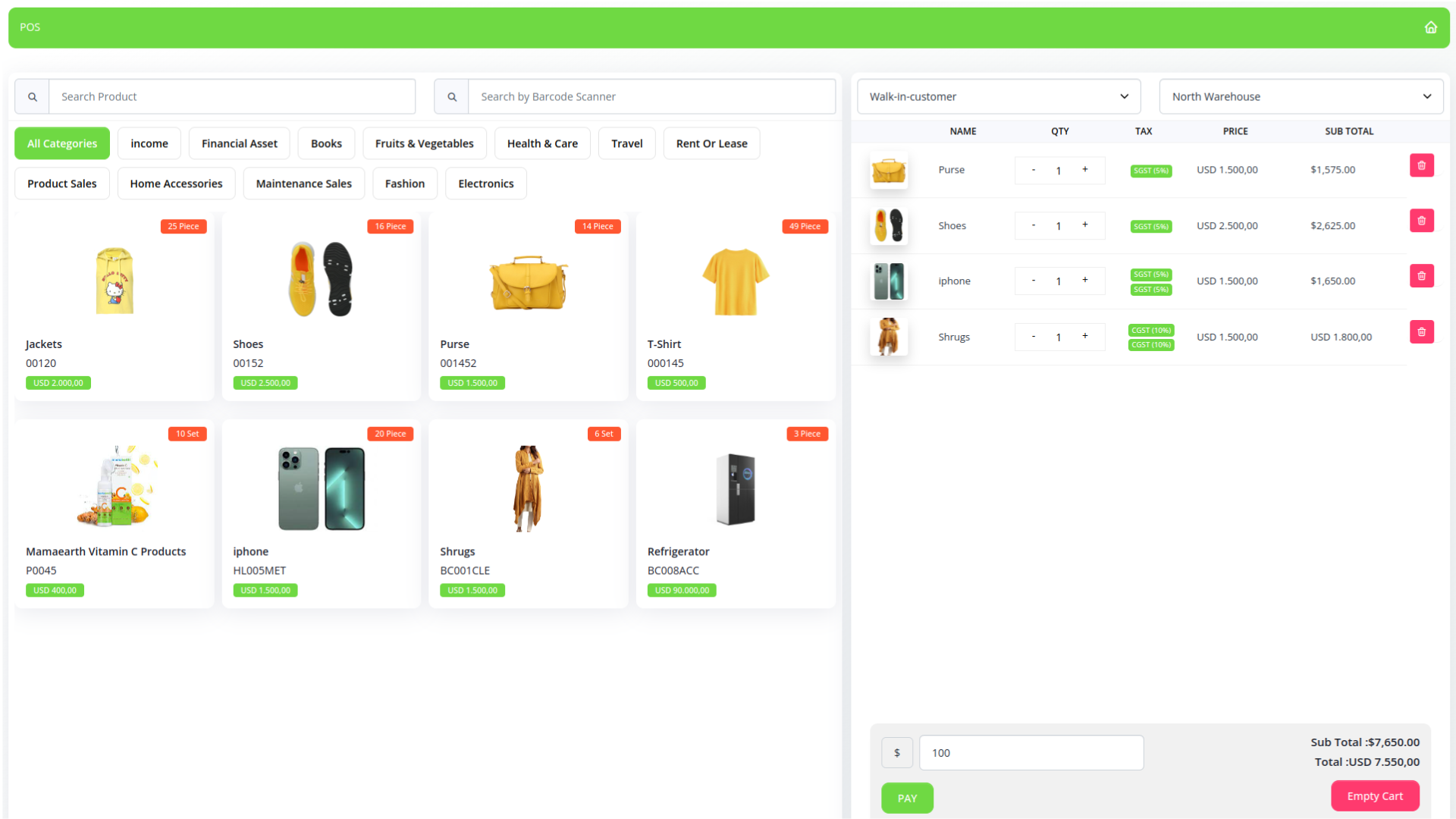
BizOrbit helps SMEs manage accounting and finance, invoicing, CRM, projects, stock, HR, POS, dashboards and reports from one connected platform.
What SMEs should keep consistent
Use clear customer details, invoice numbers, dates, item descriptions, quantities, prices, VAT treatment and payment details.
Ask your accountant to confirm formal SARS requirements for your specific business, especially if you are VAT registered.
Once the structure is agreed, keep the same invoice process for the whole team.
Why invoice records matter later
Tax invoices are not only customer documents. They also support VAT reviews, debtor follow-ups, cash flow checks and management reports.
If invoice data is messy, month-end and VAT preparation becomes harder than it needs to be.
How BizOrbit helps
BizOrbit keeps quotes, tax invoices, payments, receipts, customers and reports connected.
That gives the business a cleaner audit trail and makes it easier to see what has been invoiced, paid or still needs follow-up.
Where BizOrbit helps
BizOrbit brings accounting and finance, invoicing, HR and payroll, CRM, project management, inventory, POS, dashboards and reporting into one business management platform.
Frequently asked questions
What is a VAT invoice in South Africa?
A VAT invoice is a tax invoice issued by a VAT registered business. It should contain the required business, customer, item, date, number, total and VAT information. Confirm exact requirements with your accountant.
Can BizOrbit create tax invoices?
Yes. BizOrbit supports quotes, tax invoices, payments, customer records and reporting.
Should proof of payment be mandatory?
Not always. BizOrbit keeps proof of payment optional in common payment workflows so teams can attach it only when useful.